
How Much Cash Should I Carry When Traveling to Vietnam?
Latest update: Jun 14th, 2026
Table of Contents
- Why Is Cash Still Important in Vietnam?
- Factors That Affect How Much Cash You Need
- Typical Expenses That May Require Cash
- Should You Bring Foreign Currency?
- Using ATMs Instead of Carrying Large Amounts of Cash
- Safety Tips for Carrying Cash
- Common Mistakes Travelers Make
- Frequently Asked Questions
- Final Thoughts
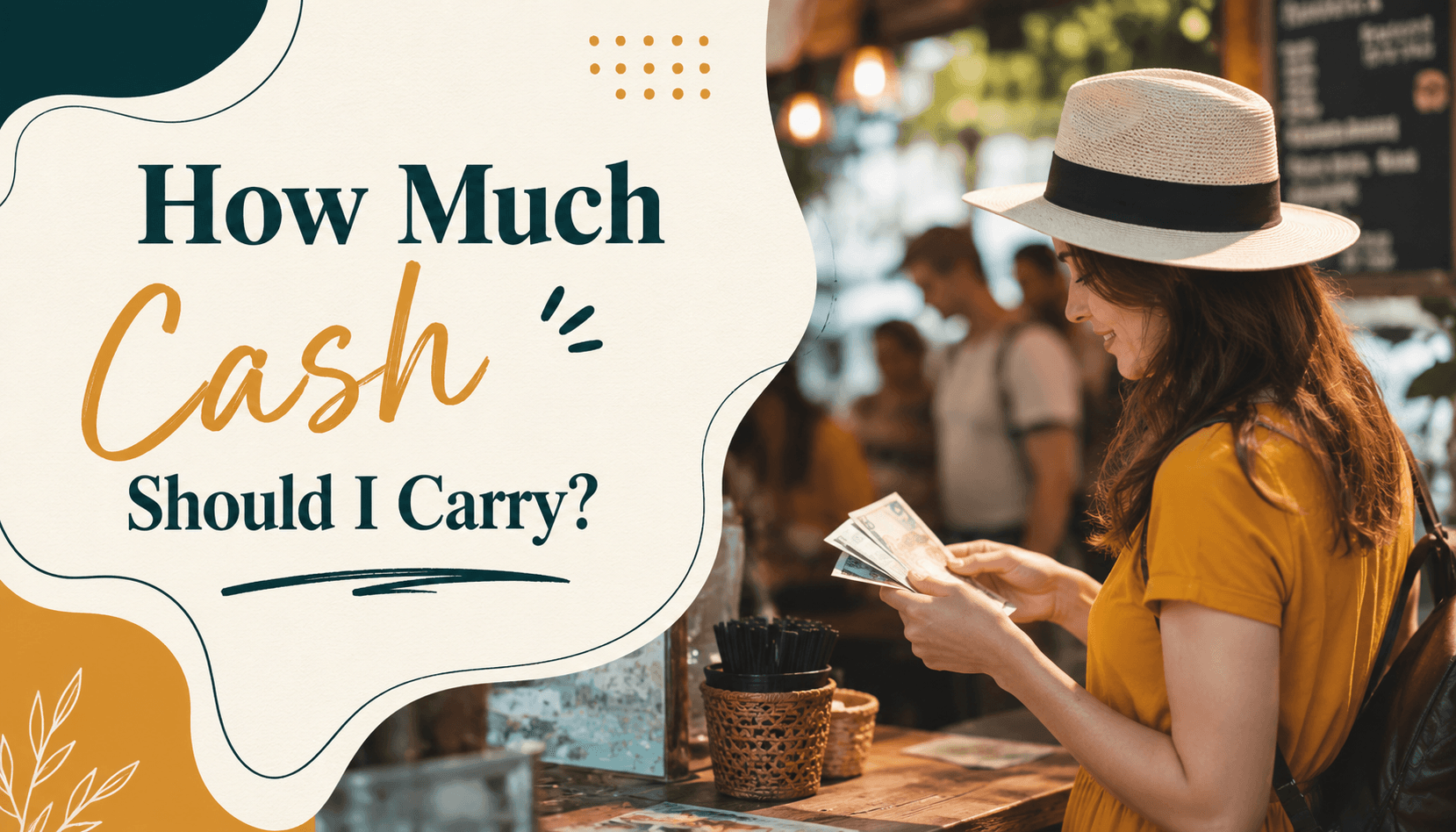
One of the most common questions international travelers ask before visiting Vietnam is: "How much cash should I carry?" While Vietnam has increasingly adopted digital payments and credit card acceptance, cash remains an important part of everyday transactions, especially in local markets, small restaurants, and rural areas.
Carrying the right amount of cash can help you enjoy a convenient and stress-free trip without worrying about payment issues. In this guide, we'll explain how much cash travelers should bring to Vietnam and the factors to consider when planning their travel budget.
Why Is Cash Still Important in Vietnam?
Although major cities such as Hanoi, Ho Chi Minh City, and Da Nang have embraced electronic payments, many businesses still prefer cash.
Cash is commonly used for:
- Street food purchases
- Local transportation
- Traditional markets
- Small cafés
- Souvenir shops
- Rural destinations
Having cash available ensures that you can make purchases easily wherever you travel.
Factors That Affect How Much Cash You Need
There is no single amount that works for every traveler. The ideal amount depends on several factors.
Length of Your Trip
A weekend getaway requires much less cash than a two-week vacation.
The longer you stay, the more daily expenses you may need to cover.
Travel Style
Your budget will vary depending on whether you are:
- A budget traveler
- A mid-range tourist
- A luxury traveler
Luxury hotels and restaurants often accept cards, while budget-friendly establishments may rely heavily on cash payments.
Destinations You Plan to Visit
Major cities generally offer more card payment options than smaller towns and remote regions.
Travelers exploring rural areas should carry more cash than those staying primarily in urban centers.
Typical Expenses That May Require Cash
While traveling in Vietnam, cash may be useful for:
Local Food and Drinks
Many street food vendors and family-run restaurants accept cash only.
Transportation
Cash may be needed for:
- Local buses
- Some taxis
- Parking fees
- Small transportation services
Shopping
Traditional markets often operate exclusively with cash payments.
Tips and Small Purchases
Although tipping is not always expected, some travelers choose to leave tips for excellent service.
Cash is also useful for purchasing snacks, drinks, and small souvenirs.
Should You Bring Foreign Currency?
Many travelers bring a small amount of foreign currency as a backup.
Common options include:
- US Dollars
- Euros
- British Pounds
- Australian Dollars
These currencies can usually be exchanged at banks, airports, and authorized exchange locations.
However, for everyday spending, Vietnamese Dong is the preferred currency.
Using ATMs Instead of Carrying Large Amounts of Cash
Vietnam has a large network of ATMs, especially in major cities and tourist areas.
Benefits of withdrawing cash locally include:
- Reduced risk of carrying large sums
- Convenient access to funds
- Better flexibility during your trip
Before traveling, check with your bank regarding:
- International withdrawal fees
- Exchange rates
- Daily withdrawal limits
Understanding these costs can help you manage your expenses more effectively.
Safety Tips for Carrying Cash
While Vietnam is generally considered safe for tourists, it's wise to follow basic precautions.
Avoid Carrying All Your Cash in One Place
Divide your money between:
- Wallets
- Hotel safes
- Secure travel pouches
Carry Only What You Need
For daily sightseeing, take only the amount you expect to spend.
Keep Emergency Funds Separate
Having backup funds available can be helpful if your primary wallet is lost or stolen.
Monitor Your Spending
Tracking daily expenses helps prevent overspending and ensures you have sufficient funds throughout your trip.
Common Mistakes Travelers Make
Many visitors encounter difficulties because they:
- Bring too little cash
- Carry excessive amounts of cash
- Depend entirely on credit cards
- Forget to check ATM availability in remote areas
- Fail to understand local payment preferences
A balanced approach usually works best.
Frequently Asked Questions
Is Vietnam a Cash-Based Country?
Cash remains widely used, although digital and card payments are becoming increasingly common.
Can I Use Credit Cards Everywhere?
No. Many hotels, shopping centers, and restaurants accept cards, but smaller businesses often prefer cash.
Should I Exchange Money Before Arriving?
Some travelers do, while others withdraw Vietnamese Dong from local ATMs after arrival.
Is It Safe to Carry Cash in Vietnam?
Yes, provided you follow basic security precautions and avoid carrying large amounts unnecessarily.
Final Thoughts
So, how much cash should you carry when traveling to Vietnam? The answer depends on your travel style, itinerary, and spending habits. Most visitors find that carrying enough cash for daily expenses while relying on ATMs and credit cards for larger purchases provides the best balance of convenience and security.
By planning ahead, understanding local payment practices, and keeping your money secure, you can enjoy a smooth and worry-free trip throughout Vietnam. Whether you're exploring busy cities, relaxing on beautiful beaches, or visiting remote cultural destinations, having the right amount of cash on hand will help make your journey more comfortable and enjoyable.
- Categories:
- Vietnam Travel Tips

Over the past 23 years in the travel service industry, the growth and success of TRANSOCEAN have stemmed not only from the dedication of our well-trained, enthusiastic, and customer-oriented staff, but also from the exceptional leadership of our Founder and CEO, Mr. STANLEY HO. With more than 20 years of experience in the travel and tourism sector, Mr. STANLEY HO possesses profound knowledge of the market, customer behavior, and modern travel trends. His strategic vision has guided the company toward sustainable growth while maintaining a strong commitment to service quality.