
Vietnam New Visa Policy 2027: Entry Rules and Updates
Latest update: Nov 10th, 2026
Table of Contents
Travelers planning a trip to Vietnam should understand the visa rules expected to apply to their visit. The Vietnam new visa policy 2027 covers existing e-Visa arrangements, expanded visa exemptions, permitted stays, and entry requirements. Vietnam currently offers electronic visas valid for up to 90 days, while qualifying nationalities can enter without a visa for shorter visits. However, not every reported visa proposal has become law. Expedite Vietnam Visa explains the confirmed rules, available visa options, and important checks before departure.
What Are the New Vietnam Visa Rules for 2027?
Vietnam's visa framework includes 90-day e-Visas, expanded 45-day visa exemptions, and separate immigration arrangements for business and family visits. These policies affect how travelers choose their entry documents.
The rules applicable in 2027 depend on official validity periods and any subsequent government announcements.
Is Vietnam Introducing a Completely New Visa Policy?
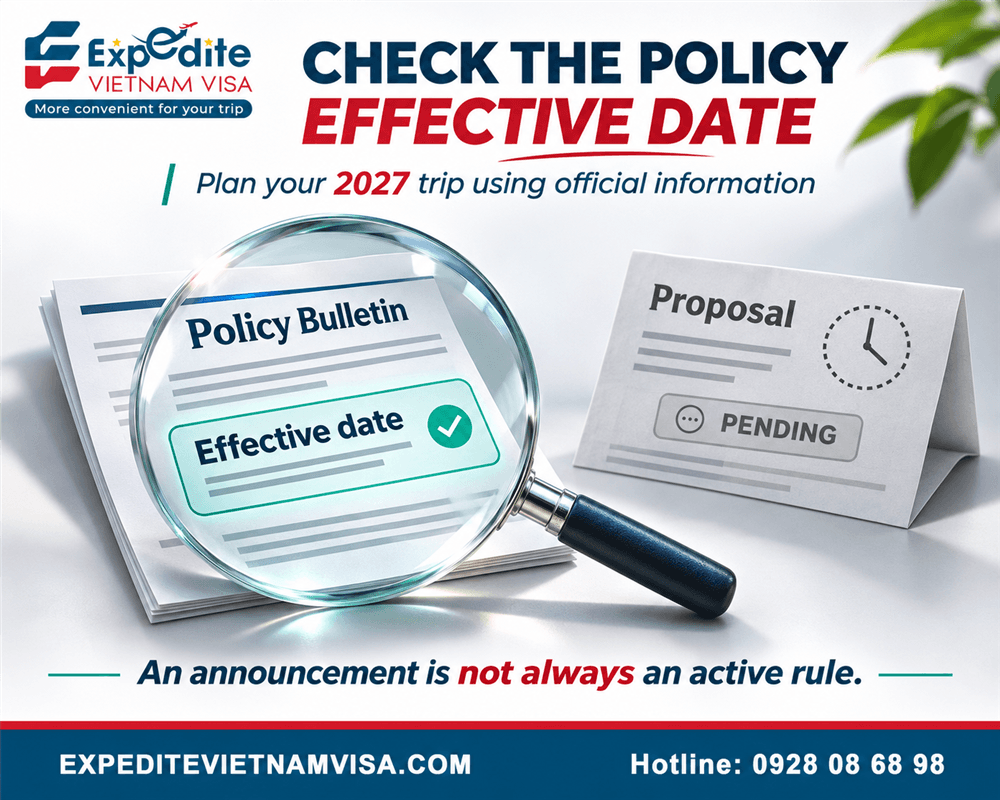
There is no need to assume that every visa rule applicable in 2027 was introduced during that year.
Several important measures, including longer e-Visa validity and expanded visa exemptions, were implemented earlier and remain relevant to upcoming travel.
Travelers should distinguish confirmed regulations from proposals or announcements that have not taken legal effect.
How Long Is a Vietnam e-Visa Valid?
Vietnam's electronic visa can be valid for up to 90 days, depending on the approved application.
Eligible travelers can request either single-entry or multiple-entry permission.
The visa's approved start and expiration dates determine when it can be used. Travelers must leave Vietnam or obtain appropriate immigration permission before their authorized stay expires.
What Has Changed About Visa-Free Entry?
Vietnam has expanded its 45-day visa exemption arrangements to additional nationalities.
Two groups of 12 European and Asian countries benefit from government-approved exemptions that remain relevant during 2027.
However, visa-free eligibility is determined by nationality and the applicable policy. Travelers from other countries may have different exemptions or need a visa before departure.
Who Can Enter Vietnam Without a Visa in 2027?
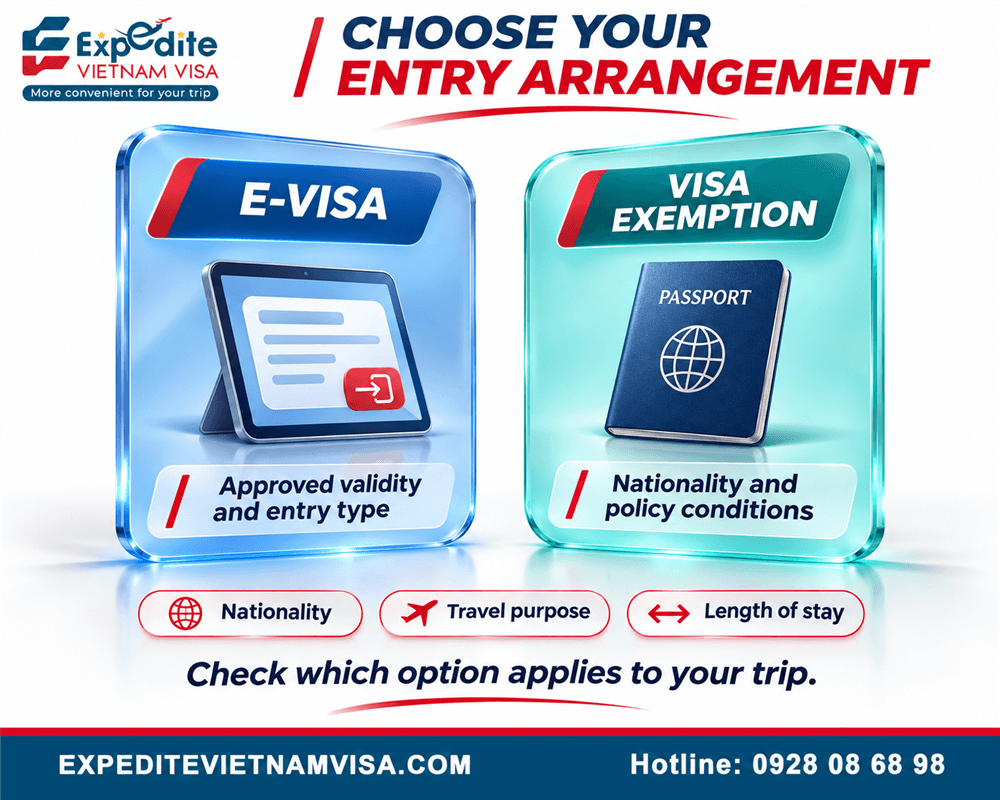
Visa-free entry is available to citizens of countries covered by Vietnam's unilateral or bilateral exemption policies. The permitted stay varies by nationality and the relevant agreement.
Travelers must also satisfy passport and immigration entry conditions.
Which Countries Qualify for 45-Day Visa Exemption?
Under the confirmed unilateral exemption arrangements, citizens of the following 24 countries may qualify for stays of up to 45 days:
Germany, France, Italy, Spain, the United Kingdom, and Russia.
Japan, South Korea, Denmark, Sweden, Norway, and Finland.
Belgium, Bulgaria, Croatia, the Czech Republic, Hungary, and Luxembourg.
The Netherlands, Poland, Romania, Slovakia, Slovenia, and Switzerland.
The exemption for the second group is specifically linked to tourism. Travelers must meet the conditions applicable to their nationality.
Do Other Countries Have Visa-Free Entry?
Yes. Vietnam maintains additional exemptions under bilateral arrangements and other applicable rules.
For example, several Southeast Asian nationalities qualify for visa-free visits, although permitted stays differ.
Travelers who do not qualify for an exemption may apply for a Vietnam tourist visa or another appropriate entry document.
Is the Five-Year Visa Exemption Still Available?
Vietnam's separate five-year Visa Exemption Certificate remains an option for qualifying overseas Vietnamese and foreign spouses or children of Vietnamese citizens or overseas Vietnamese.
The 5 Year Vietnam Visa Exemption permits repeated visits during the certificate's validity, generally with stays of up to 180 days per entry.
It is not an unrestricted five-year tourist visa.
What Documents Are Required to Enter Vietnam?
Vietnam entry requirements depend on the traveler's nationality, visa status, and intended purpose of travel. Most visitors need a valid passport and an appropriate visa or exemption.
Additional documents may be necessary for business visits, sponsored applications, or specific immigration circumstances.
What Passport Validity Is Required?
Travelers should generally hold a passport valid for at least six months from their intended entry date, particularly when using a visa exemption.
The passport must also satisfy the requirements of the specific visa category and the carrier.
The applicable passport requirements for Vietnam should be checked before submitting an application or booking travel.
What Information Is Needed for an e-Visa?
Applicants must provide accurate personal and passport information through Vietnam's authorized e-Visa system.
Typical requirements include:
Full name, nationality, and date of birth.
Passport number and expiration date.
Passport information-page image.
Recent digital portrait photograph.
Intended travel dates and entry information.
Required contact and application details.
Incorrect information can delay processing or create difficulties during immigration inspection.
Do Business Travelers Need Different Documents?
Business travelers must ensure their entry authorization matches their intended activities.
Short business visits may qualify for an e-Visa, while certain sponsored activities require a suitable business visa.
Applicants arranging company-sponsored entry may need a Vietnamese inviting organization and supporting business documentation.
The Vietnam business visa requirements depend on the visa category and the proposed activities.
How Can Travelers Apply for a Vietnam Visa in 2027?
Eligible travelers can apply for an e-Visa using Vietnam's official online application system. Other visitors may need a sponsored visa or an application handled by a Vietnamese diplomatic mission.
Choosing the appropriate route helps reduce documentation errors and unnecessary application expenses.
How Do You Apply for a Vietnam e-Visa?
The standard e-Visa application involves five main steps:
Access Vietnam's official electronic visa portal.
Complete the application using passport details.
Upload the required passport image and photograph.
Select the requested visa validity and entry arrangement.
Pay the government fee and check the application result.
Approved applicants should verify all details before traveling.
Which Entry Points Can e-Visa Holders Use?
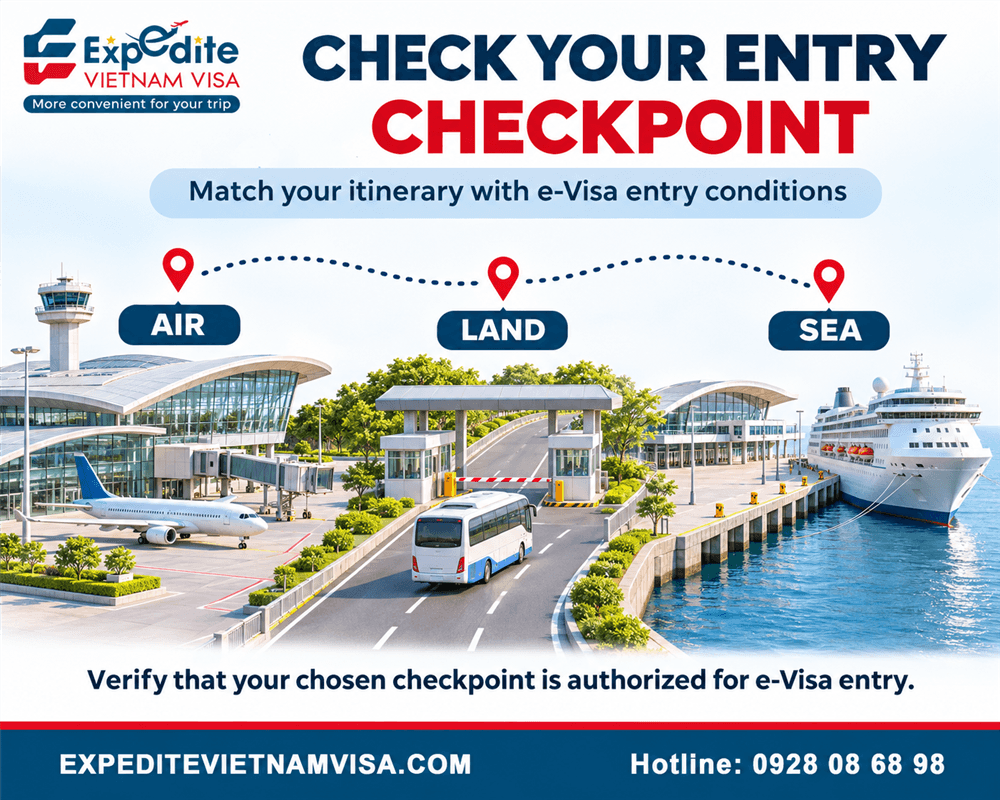
Electronic visa holders must enter Vietnam through border checkpoints authorized for e-Visa entry.
These include designated international airports, land crossings, and seaports.
Entry arrangements should match the conditions of the approved visa.
Accurate Vietnam visa intended border gate of entry information helps travelers prepare their application and itinerary consistently.
How Much Does a Vietnam Visa Cost?
The published government e-Visa fees are USD 25 for single entry and USD 50 for multiple entries.
Visa expense | Reference fee |
|---|---|
Single-entry e-Visa | USD 25 |
Multiple-entry e-Visa | USD 50 |
Eligible visa-free entry | No visa issuance fee |
Optional visa application assistance | Contact for quotation |
Additional document services | Depends on requirements |
Government charges are separate from commercial assistance fees. Applicants can contact Expedite Vietnam Visa for a quotation based on their intended travel and requested services.
What Should Travelers Know Before Visiting Vietnam?
Travelers should confirm their eligibility and permitted stay before departure. An approved visa does not remove the obligation to comply with immigration conditions.
Can You Stay in Vietnam for 90 Days Without a Visa?
Not generally. A 90-day e-Visa is different from visa-free entry. Visa-free stays depend on nationality and the applicable exemption arrangement.
Can You Enter Vietnam Multiple Times With an e-Visa?
Yes. A multiple-entry e-Visa allows repeated entry during its approved validity, which can be up to 90 days. A single-entry e-Visa does not provide the same permission.
Can Vietnam Visa Rules Change During 2027?
Yes. Visa policies can change through official government decisions. Travelers should verify the rules applicable to their nationality and intended entry date before making travel arrangements.
Get Vietnam Visa Assistance From Expedite Vietnam Visa
Vietnam's visa policies may change, making it important to confirm entry requirements before departure. Expedite Vietnam Visa supports travelers with visa applications, document preparation, and updated entry information.
Contact us for assistance and a service quotation suited to your travel plans. Final visa decisions remain with Vietnamese immigration authorities.
Contact Expedite Vietnam Visa
Email: [email protected]
US phone: +1 (972) 666-0676
Vietnam phone: +84 928 08 68 98
WhatsApp: +84 928 08 68 98
Website: https://expeditevietnamvisa.com/
Head Office:
1900 Jay Ell Drive, Richardson, TX 75081, United States
Branch Office:
4000 North O Street, Fort Smith, AR 72904, United States
Representative Office:
56 Nguyen Cu Trinh Street, District 1, Ho Chi Minh City, Vietnam
- Categories:
- Blogs

Over the past 23 years in the travel service industry, the growth and success of TRANSOCEAN have stemmed not only from the dedication of our well-trained, enthusiastic, and customer-oriented staff, but also from the exceptional leadership of our Founder and CEO, Mr. STANLEY HO. With more than 20 years of experience in the travel and tourism sector, Mr. STANLEY HO possesses profound knowledge of the market, customer behavior, and modern travel trends. His strategic vision has guided the company toward sustainable growth while maintaining a strong commitment to service quality.