
Vietnam Visa Committed to Declare Temporary Residence
Latest update: Oct 16th, 2026
Table of Contents
- What Does Vietnam Visa Committed to Declare Temporary Residence Mean?
- How Is Temporary Residence Declared in Vietnam?
- What Happens if Temporary Residence Information Is Incorrect?
- What Should Foreigners Know About Registration Costs and Longer Stays?
- What Else Should Foreign Visitors Know About Temporary Residence?
- Get Vietnam Visa Application Assistance From Expedite Vietnam Visa
Foreign visitors entering Vietnam must comply with immigration and accommodation reporting requirements during their stay. The phrase Vietnam visa committed to declare temporary residence relates to the obligation to report where a foreign national is staying, rather than obtaining a separate visa. Hotels, landlords, and accommodation providers generally handle this declaration with local authorities. Expedite Vietnam Visa helps international travelers apply for suitable Vietnam visas while understanding the entry and residence requirements associated with their visits.
What Does Vietnam Visa Committed to Declare Temporary Residence Mean?
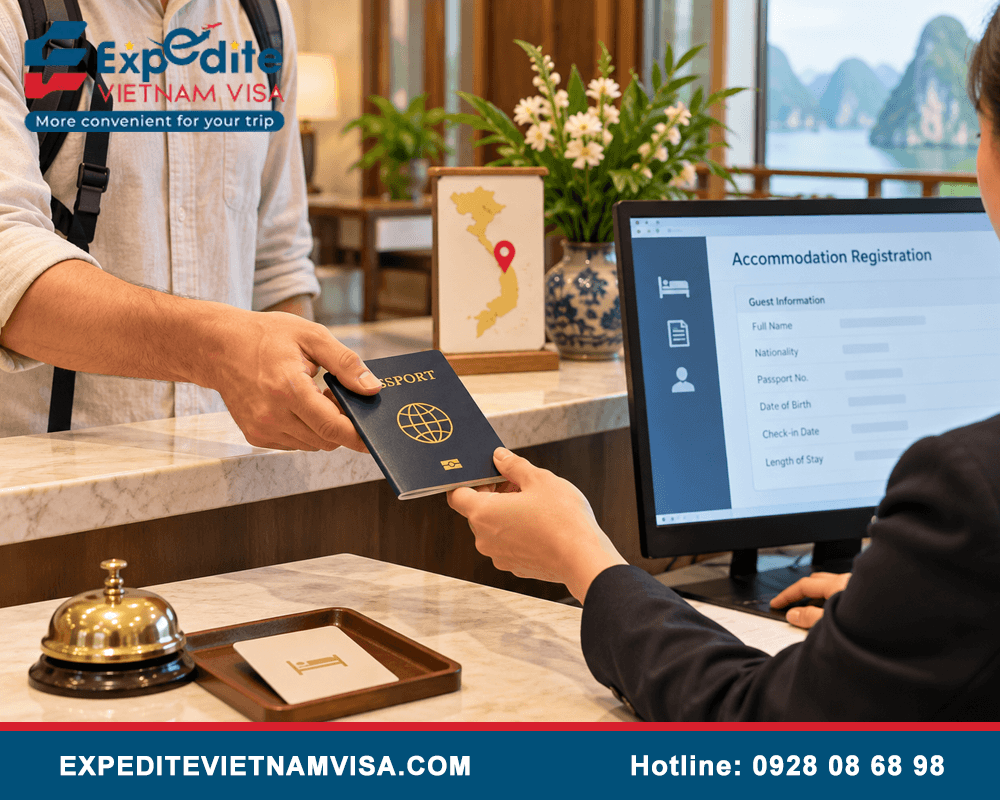
Temporary residence declaration is a legal reporting requirement for foreigners staying in Vietnam. It connects a visitor's actual accommodation address with immigration records and is separate from the visa application or entry approval itself.
Is It a Separate Vietnam Visa Requirement?
No separate visa called "committed to declare temporary residence" exists. The phrase refers to the obligation to report a foreign visitor's place of stay, as explained in the guidance on committed to declare temporary residence for a Vietnam visa.
A valid visa establishes permission to enter under specified conditions, while temporary residence declaration records the accommodation used after arrival.
Who Is Responsible for Declaring Temporary Residence?
Accommodation managers, hotel operators, and individuals responsible for hosting foreign visitors generally submit the required declaration.
Visitors must provide accurate passport and immigration information. When staying in a privately rented property, foreigners should confirm that their landlord or host understands the applicable reporting obligations.
The distinction between a visa and residence permission is also relevant when considering whether Vietnam has a retirement visa for extended stays.
Does the Requirement Apply to All Foreign Visitors?
Temporary residence reporting generally applies to foreigners staying at accommodation establishments in Vietnam, regardless of whether they entered using an e-Visa or another qualifying immigration arrangement.
A hotel's registration responsibility is not removed simply because a guest is staying for a short period.
How Is Temporary Residence Declared in Vietnam?
Temporary residence information is submitted through the accommodation reporting system administered by Vietnamese public security authorities. The declaration process focuses on identifying the foreign visitor, verifying their immigration details, and recording their actual place of stay.
What Information Must Be Provided?
Visitors should prepare accurate information for their accommodation provider, including:
- Full name, nationality, and date of birth.
- Passport number and relevant identity details.
- Valid visa or temporary residence authorization.
- Expected accommodation dates and location.
These details should correspond with the visitor's immigration documents. Inconsistent information may require clarification before the declaration can be completed.
Where Is the Declaration Submitted?
Accommodation providers can submit foreign guests' residence information through the Ministry of Public Security's centralized online platform. The designated declarant accesses the system, enters the required visitor information, and completes the declaration.
This is different from applying for a Vietnam e-Visa through the official immigration portal.
When Must the Declaration Be Completed?
Temporary residence information must be reported promptly upon the foreign visitor's arrival at the accommodation.
For paper declarations, the applicable statutory deadlines are generally 12 hours after arrival, or 24 hours in remote areas. Electronic reporting is required immediately upon arrival under the applicable instructions.
Travelers should provide their passport and entry information at check-in rather than postponing registration.
What Happens if Temporary Residence Information Is Incorrect?
Incorrect or outdated residence details can create difficulties when authorities verify a foreign visitor's accommodation history. Travelers should therefore check that their host has received accurate information, especially when changing addresses or planning an extended stay.
What if the Hotel Registers the Wrong Address?
The accommodation provider should correct inaccurate information using the applicable reporting procedure.
Travelers should promptly notify reception or the property manager if the recorded address, passport details, or expected stay dates are incorrect.
A booking confirmation alone does not establish that the temporary residence declaration has been submitted.
Must Foreigners Report Changes of Accommodation?
Yes. When a foreign visitor moves to another accommodation establishment, the new provider must complete the relevant reporting obligations.
For example, a traveler spending several nights in Hanoi before moving to an apartment in Da Nang should ensure the new accommodation is properly reported.
The earlier hotel's declaration does not automatically cover the new address.
Does Registration Extend a Vietnam Visa?
No. Temporary residence reporting does not extend visa validity, grant additional entry permission, or replace immigration authorization.
Visitors planning an extended stay must assess whether they qualify for an appropriate visa or residence arrangement.
This distinction matters when reviewing Vietnam retirement visa requirements, because accommodation registration and immigration eligibility are separate legal matters.
What Should Foreigners Know About Registration Costs and Longer Stays?
Accommodation reporting and visa application assistance involve different responsibilities and potential expenses. Understanding these distinctions helps visitors avoid unnecessary charges while planning their stay according to their actual immigration status.

Is Temporary Residence Declaration Free?
The official administrative procedure for online temporary residence declaration is listed without a government filing fee.
However, accommodation or management charges are separate matters. Travelers should clarify any additional charges with their accommodation provider before paying.
Activity | Reference cost |
|---|---|
Official online residence declaration | No government filing fee |
Hotel or landlord administrative service | Depends on accommodation agreement |
Vietnam visa application assistance | Contact for quotation |
Dedicated digital nomad visa | No dedicated visa category |
Contact Expedite Vietnam Visa for a quotation regarding the visa application assistance required for your travel plans. Accommodation reporting charges should be confirmed separately with the relevant provider.
Do Long-Term Visitors Need Repeated Declarations?
Foreigners staying at the same registered accommodation should ensure their recorded information remains accurate throughout the permitted stay.
Changes of accommodation or relevant immigration information may require updated reporting. A longer booking does not remove the obligation to maintain valid immigration permission.
Travelers should also distinguish permitted visa duration from any separate long-term residence eligibility.
Are Digital Nomads Subject to Residence Reporting?
Yes. Foreign remote workers visiting Vietnam remain subject to the applicable accommodation declaration requirements.
However, declaring an address does not establish permission to work in Vietnam. Individuals considering an extended remote-working stay should understand does Vietnam have a digital nomad visa, particularly the distinction between temporary entry and work authorization.
What Else Should Foreign Visitors Know About Temporary Residence?
Travelers often confuse hotel registration, visa information, and immigration permission because all three involve accommodation details. The following questions clarify their different purposes and help prevent avoidable misunderstandings.

Is the Address on an e-Visa Application the Same as Residence Registration?
No. The accommodation address provided during an e-Visa application identifies the intended place of stay, while temporary residence declaration records actual accommodation information after arrival.
Changes should be reflected through the applicable reporting arrangements.
Can a Foreigner Declare Temporary Residence Without a Hotel?
Yes. Foreigners may stay in qualifying private accommodation, including rented apartments or private homes.
The responsible host or accommodation manager must ensure that the required residence information is declared through the appropriate system.
Can a Visa Application Be Rejected Without Residence Registration?
Residence registration generally occurs after arrival, so a future accommodation declaration is not the same as a completed visa application requirement.
However, applicants must provide accurate information requested during the visa application process. Final visa approval is determined by Vietnamese authorities.
Get Vietnam Visa Application Assistance From Expedite Vietnam Visa
Understanding temporary residence obligations helps foreign travelers prepare for a lawful stay in Vietnam. Expedite Vietnam Visa provides professional Vietnam visa application assistance, supporting suitable visa selection, application submission, and status updates.
Our team helps international visitors understand visa requirements while planning their entry and accommodation arrangements. Contact us for assistance with your Vietnam visa application and a quotation based on your travel needs.
Contact Expedite Vietnam Visa
- Email: [email protected]
- US phone: +1 (972) 666-0676
- Vietnam phone: +84 928 08 68 98
- WhatsApp: +84 928 08 68 98
- Website: https://expeditevietnamvisa.com/
Head Office:
1900 Jay Ell Drive, Richardson, TX 75081, United States
Branch Office:
4000 North O Street, Fort Smith, AR 72904, United States
Representative Office:
56 Nguyen Cu Trinh Street, District 1, Ho Chi Minh City, Vietnam
- Categories:
- Blogs

Over the past 23 years in the travel service industry, the growth and success of TRANSOCEAN have stemmed not only from the dedication of our well-trained, enthusiastic, and customer-oriented staff, but also from the exceptional leadership of our Founder and CEO, Mr. STANLEY HO. With more than 20 years of experience in the travel and tourism sector, Mr. STANLEY HO possesses profound knowledge of the market, customer behavior, and modern travel trends. His strategic vision has guided the company toward sustainable growth while maintaining a strong commitment to service quality.